Guide to Buying a Shipping Container – What to consider?
5 September 2024
 No longer just used for cargo transport, shipping containers are now commonly used for storage, pop up bars, man caves or even tiny homes! Here’s a guide to help you navigate the process and work out exactly what will fit your needs when looking at buying a shipping container.
Purpose
Shipping containers typically come in standard sizes, with the most common being 20ft and 40ft in length. However, there are other options available depending on your needs – it’s important to consider your space restraints, the volume of items you plan to store, and whether you need extra height.
8ft/10ft Containers – ideal when space is limited, and a smaller number of items to store.
20ft Containers – ideal for general storage or when moving, de-cluttering or down-sizing.
40ft Containers – better suited for larger projects or if you need more space.
20ft/40ft High Cube Containers – these are a foot taller than standard containers (9.5ft vs 8.5ft in height), providing extra vertical space which can be valuable if you have taller items to store.
20ft/40ft Double Door (Tunnel Containers) – if you think you’ll need to regularly access all items in a container, these units are ideal as they allow access from both ends. No more hunting through to find the item you have stored at the very back of the container.
Multi Compartment Containers – These are a larger container split in to smaller rooms each with their own access door. Handy if you have multiple different contractors or customers needing their own small space.

Condition
Containers come in various conditions, and it’s important to assess what your requirements are before purchasing. The most common grades are –
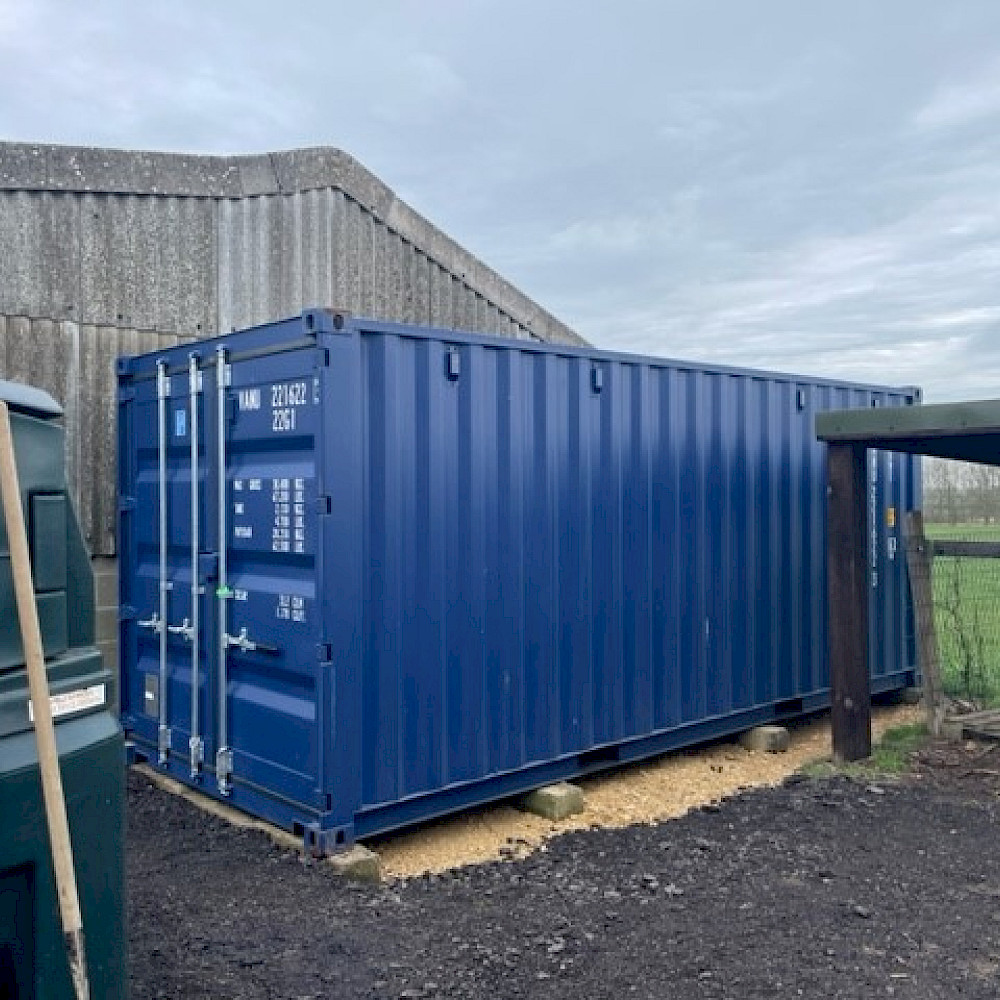
New (One Trip) – These containers have only made one trip from the manufacturer in China to the UK. They are as ‘new’ as you can get and are the most ‘aesthetically pleasing’. These units generally come in a choice of colour, dark blue or dark green, or it is possible to repaint these units to fit your branding/environment.
Near New – These containers would have originally been imported as ‘New (One Trip)’ and so are unlikely to have had a life at sea shipping cargo. They are typically ex-rental containers, so may have been used by our rental clients for light storage in the UK.
Cargo Worthy – These are used containers that are still structurally sound and watertight. They may not look as ‘smart’ as the New (One Trip) containers but have many years left suitable for storage and still carry at least 3 months certification for shipping internationally.
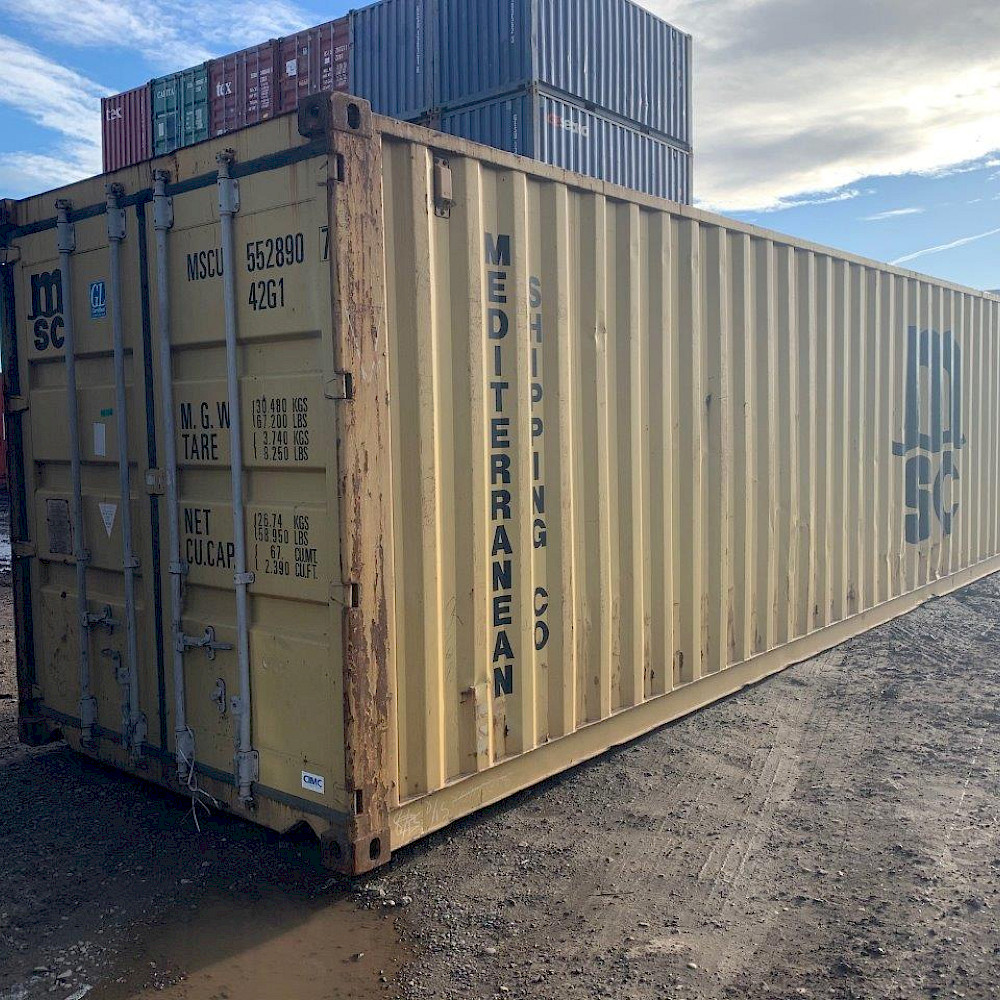
Wind and Water Tight (WWT) – These containers have typically had a life at sea so may be more weathered than the above options. They are still structurally sound and watertight, and ideal for storage. These units typically come from shipping lines and can range in colours, so if you’re not fussed about the aesthetics of the container, these may be a great choice for you.
Costs
It’s important to consider all costs surrounding your purchase of a shipping container. These may include –
Delivery –
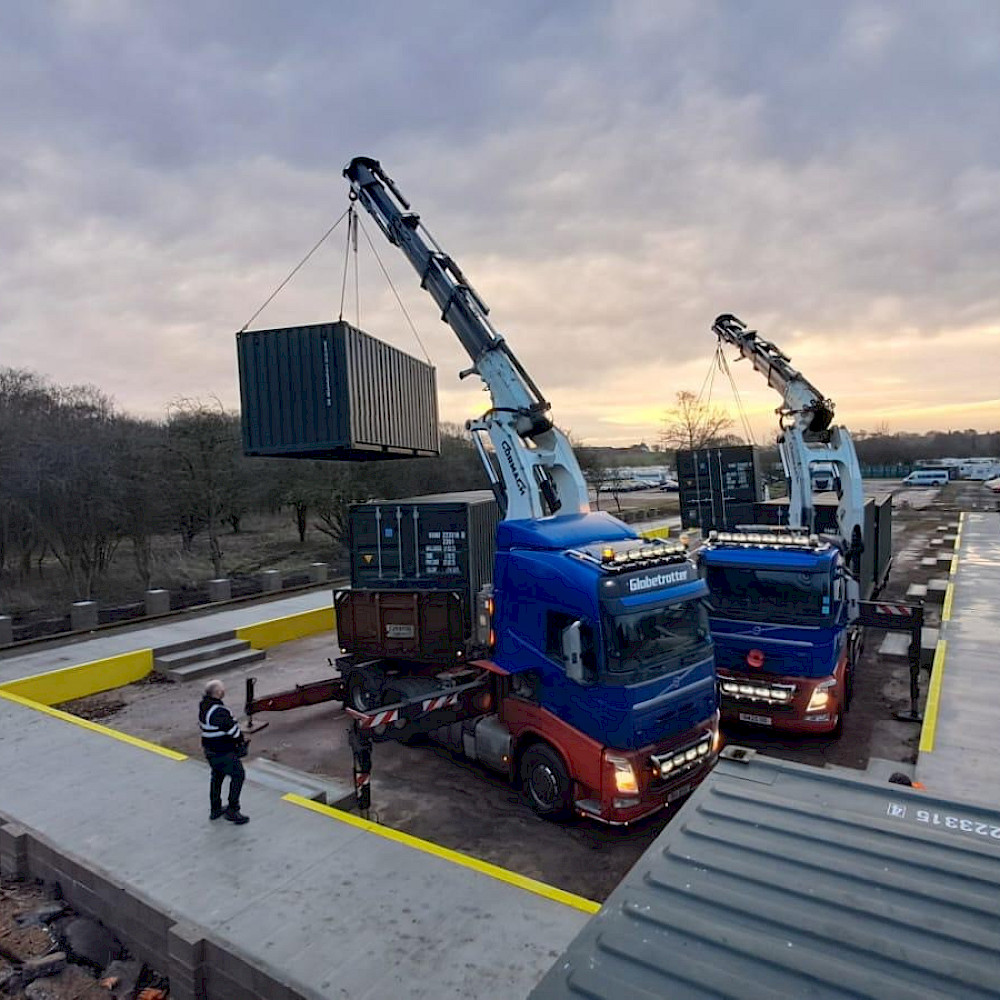
- The size of the container(s) you are purchasing will determine the size of the vehicle which delivers and therefore the cost. Units 20ft and under in size will typically be delivered on a rigid vehicle. Anything above 20ft (e.g. more than 1 x 20ft or 1 x 40ft) will be delivered on an artic vehicle. If you are purchasing more than 1 x 20ft, it’s most cost-effective for the units to be delivered in even numbers and together). You will be paying for the truck, so it’s best to fill it to save multiple delivery costs. We can usually check your access via photos – see below section on placement for more information.
- Time restrictions – deliveries are typically made between 8am-5pm with an AM or PM slot given the day before. If you would require a more exact time for your containers arrival, (e.g. avoiding busy school run roads, parked cars or where someone can be available to accept delivery), please speak to us.

Modifications – If you need modifications such as adding doors, windows, or insulation, it’s important to factor these into your budget.
Permissions – you may need planning permission in order to put a container on your land. You will need to contact your local authority to understand more about this process and any restrictions on what the container can be used for (e.g. a living space).
Access/Groundworks/Placement
Before you purchase your container, consider the logistics of delivery and placement. The last thing you want is to make the purchase, and then realise you can’t get it into the required/desired location. Ensure you have:
- Adequate space for the unit (measure up the space for where the container needs to be placed including enough room for the doors to fully open)
- Enough space for the delivery vehicle (this includes space for the vehicle to park to deliver, room for it’s stabilising legs to extend, and ample room for the delivery vehicle to turn/reverse when leaving the site).
 The area of offloading will need to be clear of overhead wires / obstructions.
- Foundation considerations – you may need to prepare a foundation for the container to be placed, such as concrete blocks, sleepers or a full slab to support the container. The ground must be level to avoid future issues with doors or structural integrity.
- Grass – HIAB lorries generally can’t drive on grass except by special arrangement in mid summer. The vehicles are very prone to getting stuck because of the added weight of the crane on the front end of the vehicle.
Security Features
If the container is to be used for storage of anything of value, security should be a priority. It is important to consider the use of –
- Padlocks – a padlock is essential as a ‘first layer’
 of protection against break ins.
 - Lockboxes – these protect the containers padlock from tampering and make it much more difficult for intruders to enter.
- Alarm systems/CCTV – if you’re storing valuable items, consider installing an alarm or CCTV monitoring system.
Modifications
If you plan to modify the container, think ahead about the types of modifications you might need. It’s much easier to plan for these at the beginning, rather than finding yourself stuck once your unit is delivered. We offer a full modification service if required.
 Electrics and Plumbing – if you plan to use the container as a living or workspace, consider how you’ll install electrical wiring and plumbing.
- Insulation – containers can get very hot or cold, so proper insulation is essential for comfort if you will be inside of the container for periods of time.
- Ventilation and Windows – these modifications can make the container more liveable and improve air quality.
- Personnel doors – These can be handy for quick, easy acces if you will be going in and out of the container regularly.
By taking into account the above factors, you can ensure that you make a purchase that suits your requirements and provides lasting value. Whether it’s for personal or business storage a shipping container can be a versatile and practical solution with the right planning and preparation.
Renting vs Buying A Shipping Container