What to Check Before Buying a Used Shipping Container
25 February 2026
Buying a used shipping container can be a cost-effective and practical solution for storage, conversion projects or transportation — but not all containers are created equal. While many used containers still have years of life left, their condition can vary significantly depending on age, usage and previous cargo.
Knowing what to look for before you buy helps ensure you choose a container that is secure, weatherproof and fit for purpose, avoiding unexpected repairs or problems later on. Below are the key areas you should always check when purchasing a used shipping container.
External Inspection Tips
The exterior of a container provides the first clues about its overall condition and how well it has been maintained over its lifetime. In general, the more a container has been used for shipping, the more wear it is likely to show. Containers that have mainly been used for static storage in the UK often have a much better exterior, although the paint colour may have faded.
Check for rust and corrosion:
Surface rust is normal on used containers. They are manufactured from Corten steel, which is designed for marine environments and forms its own protective layer when paint is damaged. However, excessive rust can indicate a long working life at sea or an older container, meaning its remaining lifespan may be reduced. Any holes in the steel would also be a concern. Our containers are guaranteed to be watertight and structurally sound.
Inspect wall integrity:
Minor dents are normal, but very deep dents or very heavy distortion may suggest structural issues with the container. This may not affect static, light storage, but if you are unsure and want to be safe, request a container in ‘IICL condition’. IICL is an internationally recognised repair criteria and it includes specifications on how deep a dent may be, along with other requirements.
Inspect the roof carefully:
Container roofs often experience the most wear. Look for inward dents, standing water marks or pinholes, as roof damage can lead to leaks either now or in the near future.
Examine doors and seals:
Doors should open and close smoothly when the container is on level ground. Check that locking bars are straight and functional, and that the rubber door seals are intact to keep the container wind and watertight. When containers get very old, and towards the end of their usable life, the bottoms of the doors (where the seals attach) tend to corrode away and there is nothing to grip door seals on to if the steel is crumbling. The lifespan of something like that as a waterproof and rodent proof store is likely to be short.
Check the CSC plate (if relevant):
If the container is intended for shipping, ensure it has a valid CSC plate and the next inspection date on it.
Internal Condition Checks
Once inside the container, you will get a fuller picture on whether it’s fit for purpose for your needs.
Look for signs of water ingress:
Check the ceiling, walls, and floor for water stains, damp patches, or mould, which may indicate roof leaks or damaged seals.
Inspect the flooring:
Most container floors are marine plywood. Look for soft spots, delamination, or chemical/oil stains from previous cargo. If you want to be certain that the floor is strong enough for your use, request a container which is in ‘cargoworthy’ condition. Newer second hand containers may have sealed, wipe clean flooring which can be a benefit.
Check for odours:
Strong chemical smells can linger from past contents and may make the container unsuitable for certain uses. Second hand containers do tend to have a certain ‘smell’ to them. More modern used containers tend to be better ventilated which will help smells to dissipate and also helps to prevent condensation.
Confirm grading status:
- ‘Wind and watertight’ is an industry term to recognise that a container will keep out rain, wind, and daylight when doors are closed.
- ‘Cargoworthy’ refers to a container still being seaworthy.
- ‘IICL’ is a higher standard of second hand seaworthy which dictates the interior must be free from transferrable items (like oil spills), dents must be within a certain tolerance and these would also still be seaworthy.
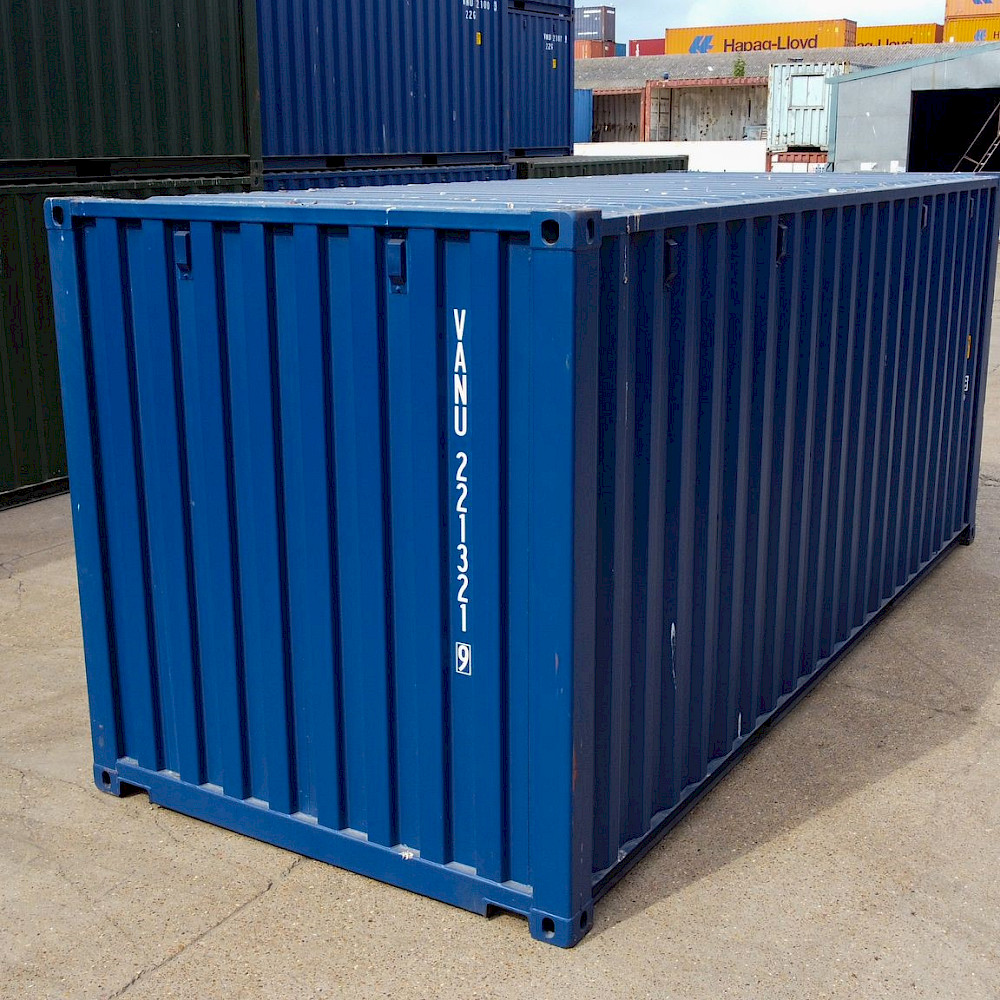
- ‘Near New’ containers would be within around 5 years old, and in very good condition. They will generally have been used for domestic storage in the UK since their original shipment to get here from China.
Delivery and Access Considerations
Access for the delivery lorry:
-
20ft containers (or smaller) are usually delivered on lorries up to around 36ft long and 9ft wide.
-
40ft containers or paired 20fts are typically delivered on larger vehicles, often articulated lorries up to 60ft long and 9ft wide.
Additional considerations include:
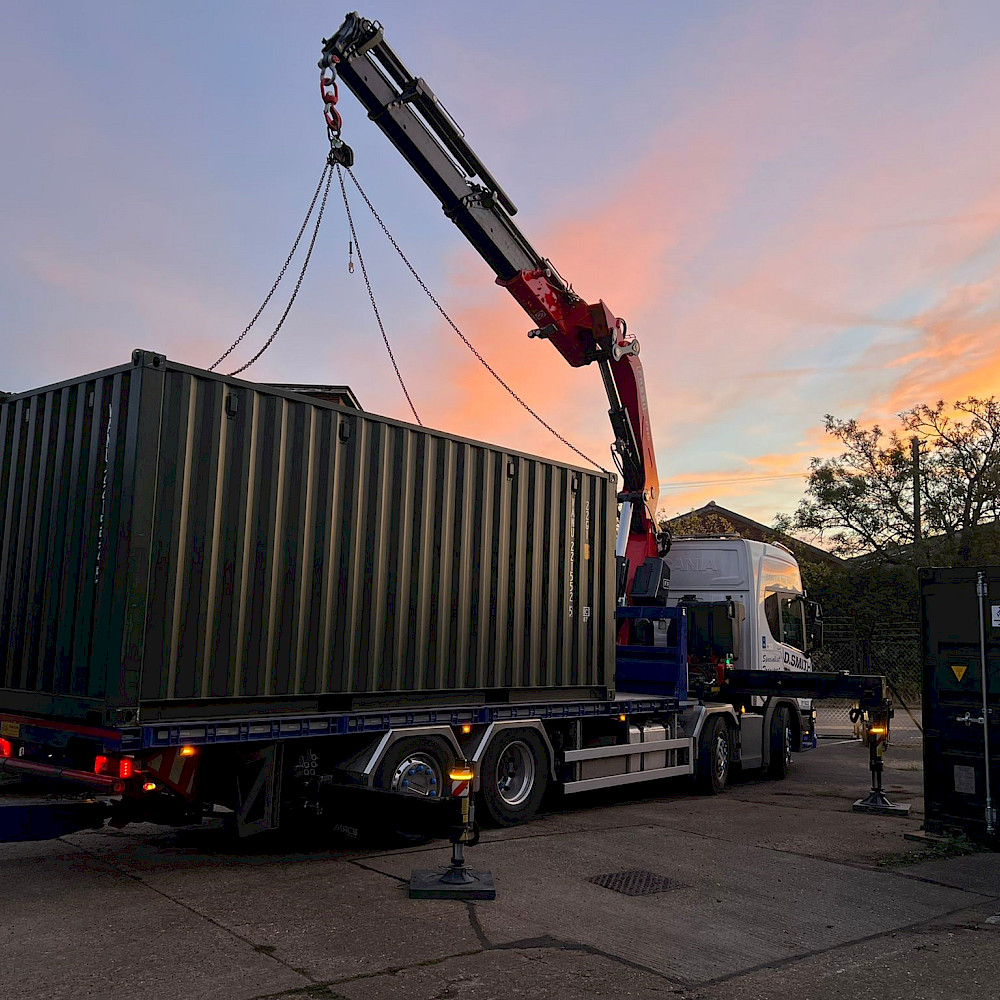
- Space for the stabiliser legs at the point of offloading: HIAB crane lorries have stabilising legs which extend out of both sides of the vehicle. They can need to go out up to several meters to stabilise the lorry whilst offloading.
- Hard access: Generally speaking, we can’t drive on grass except during summer in dry spells (and by prior arrangement).
- Levelling: Your container will need to be kept level. This is to ensure that the doors operate smoothly and will open and close.
- Overhead wires: If overhead wires are present, we may need to check using photos that delivery can take place. We can’t lift close to power lines, and even phone lines can pose a problem if they’re located at the point of offloading, or are hanging too low on the access route in.